
A built-in wine column performs best when the environment around it is as stable as the temperature inside it. Good care is less about frequent “deep cleaning” and more about protecting airflow, door sealing and…
Caring for a built-in wine column comes down to three things: a clean, evenly sealing door gasket, clear ventilation at the toe kick or grille, and a steady setpoint that is not changed or interrupted often. Check these before assuming the cooling system needs attention. Condenser cleaning is a documented owner task on many models, while sealed refrigeration and internal electrical parts are not.
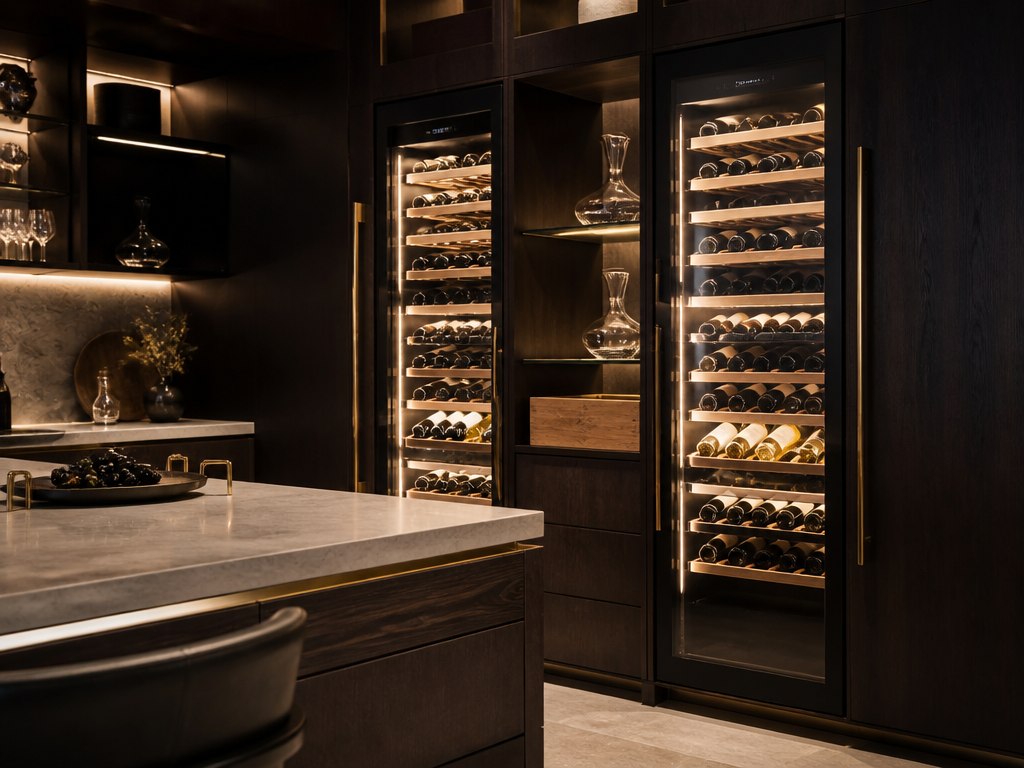
A built-in wine column performs best when the environment around it is as stable as the temperature inside it. Good care is less about frequent “deep cleaning” and more about protecting airflow, door sealing and consistent operating conditions.
Keep the door gasket clean with a mild method approved for the appliance. Sticky residue can prevent even contact, and an uneven seal makes the cooling system work harder. Check that bottles, shelves and labels do not interfere with full door closure.
Ventilation is just as important. Built-in appliances release heat through designed air paths, often near the toe kick or grille. Do not block those openings with storage, rugs, decorative trim or remodeling materials. If cabinetry has recently been altered, make sure the required clearances were not reduced.
The user manual for one Bertazzoni wine column asks for the condenser and toe-kick area to be cleaned every six months, using a vacuum with a soft brush. It says to switch the unit off and wait about 30 minutes first, and the display shows a “Check Cond” message as a reminder. Your own model may word this differently, so follow the manual that came with it.
The gasket deserves the same regular attention. Wipe it with a soft cloth and a mild method suited to the finish, then run a finger along the closed door edge to see whether any section feels loose or folded. A seal that does not meet the frame evenly lets warm room air in, and the unit then spends more time cooling.
Keeping that area clear helps the compressor shed heat. A long compressor run in a warm room can be normal, but dust and obstructions make it work harder than it needs to.
Avoid rapid temperature changes for routine use. Choose a suitable setpoint for the type of wine stored and let the cabinet stabilize. Repeatedly changing the setting or leaving the door open during entertaining creates unnecessary swings.
How the column is used affects how stable it stays. Load bottles in stages instead of all at once, and keep labels and neck foils clear of the door so it closes freely. Before a gathering, remove what you need in one trip rather than opening the door repeatedly. If a warm period follows a busy evening, give the cabinet time to recover before touching the setpoint, since changing it again restarts the settling period.
The user manual for one 18-inch Bertazzoni column describes two zones with a default of 54 F in the upper zone and 50 F in the lower, each adjustable between 39 and 64 F. If the upper zone is set below 54 F, the lower zone should not be set above 50 F. Humidity control has three levels with Medium as the default. Another 24-inch column is listed with two zones between 40 and 65 F and the same three humidity levels.
The manual stresses constant temperature, because swings can age wine early. After a setpoint change, the cabinet can take roughly 6 to 12 hours to reach it, so wait before judging the result. Temperatures can drift slightly after frequent door openings or loading bottles at room temperature, which is a reason to load gradually.
Dust and debris around accessible ventilation areas should be removed according to the model manual. Do not remove service panels or reach into fan compartments. The line between maintenance and repair is simple: user-accessible surfaces and filters can be cared for; sealed refrigeration and internal electrical components need professional service.
The table links a few observations to a likely care issue and a safe check.
| Symptom | What it can point to | What you can safely check |
|---|---|---|
| Temperature creeping up between checks | A dirty condenser or toe-kick area, blocked ventilation or a recent large load | Clear the openings, clean the condenser as the manual describes and let the unit settle |
| “Check Cond” on the display | A reminder to clean the condenser | Switch off, wait about 30 minutes, vacuum the toe-kick area with a soft brush |
| Door does not close freely | Bottles or labels in the way, or a sticky gasket | Reposition the load and clean the gasket with a mild method |
| Warm after entertaining | Frequent door openings or room-temperature bottles | Close the door fully and allow time to recover before changing settings |
| Alarm or error code on the display | A cooling or control fault | Touch Alarm to see the code and contact service with that information |
If you notice temperature drift rather than a maintenance question, read Wine Doesn’t Forgive a Warm Week — Checking a Drifting Wine Cooler. For recurring alarms or fan/cooling symptoms, continue to When a Wine Cooler Needs Real Diagnostic Tools, Not Just Patience.
Take one actual thermometer reading, inspect the gasket, make sure the door closes freely and confirm the ventilation openings are clear. That short routine catches gradual changes before they become a week-long temperature problem.
The manual for one Bertazzoni column says every six months. The display can also show a Check Cond message as a reminder, so check your own manual for the interval that applies.
The manual for that model describes vacuuming it with a soft brush after switching the unit off and waiting about 30 minutes.
Some models have three humidity levels with Medium as the default. Make one change at a time and give the cabinet time to settle before judging the effect.
Losing cooling, building frost, or pooling water? We diagnose Bertazzoni refrigerator faults and restore reliable, efficient cooling.
Bertazzoni refrigerator diagnostics and repair — cooling loss, frost, leaks and dispenser faults.
As little as possible — frequent changes create more strain than a stable setpoint slightly off the ideal.
A mild cleaner and a soft cloth; avoid abrasive products that can dry out or crack the seal.
Yes, its accessible exterior grille and surrounding clearance should stay free of dust and stored items.
Panel-ready refrigeration is designed to disappear into the kitchen, but the installation still has to breathe and close correctly. The most useful maintenance habits are the ones that…
Refrigerator maintenance is mostly about helping the appliance move heat and keep cold air where it belongs. On a built-in Bertazzoni refrigerator, that means paying attention to door…
Cloudy glasses can come from two very different causes: removable film or permanent etching. Before changing detergent, rinse aid and water-softener settings all at once, start with the…
Share a few details and we’ll confirm an appointment. Prefer to talk? Call us and we’ll help right away.