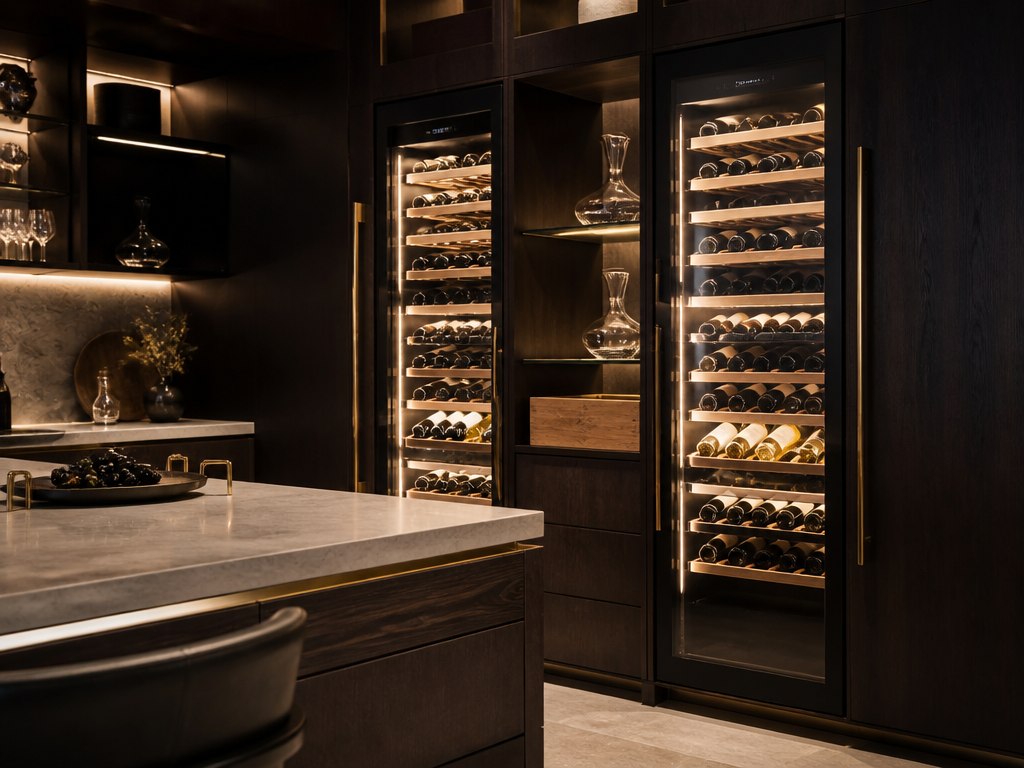


A premium kitchen does not need constant tinkering. A short seasonal routine is more useful than reacting only when an appliance already shows a fault.
A seasonal maintenance rhythm for a Bertazzoni kitchen is a short, repeatable round: check refrigerator temperature and gaskets, clean the dishwasher filter, clean burner parts after they cool, and look for leaks, hot outlets or new odors. Doing it four times a year gives you a baseline, so when something changes you can tell what is new.
A premium kitchen does not need constant tinkering. A short seasonal routine is more useful than reacting only when an appliance already shows a fault.
For refrigeration, inspect door gaskets, clear visible ventilation openings and check actual temperature with a thermometer. In panel-ready installations, make sure the door still closes freely and that new rugs, cabinetry work or stored items have not blocked airflow. See Coil and Seal Care for a Bertazzoni Refrigerator for the detailed routine. The manual for one Bertazzoni built-in refrigerator says to clean the condenser every six months and check the door seals regularly.
For dishwashers, clean the filter, inspect the spray arms and look for mineral buildup. Review rinse-aid and detergent settings if local water conditions have changed. The Cloudy Glass Problem Usually Comes Down to This Filter explains how filtration and water chemistry affect wash results.
The manual for one Bertazzoni built-in refrigerator recommends washing the interior with a baking-soda-and-water solution and avoiding vinegar, rubbing alcohol and detergents inside. For the water filter, the same manual describes a reminder and an interval; check your manual for its schedule. The dishwasher manual for one model says to clean the whole appliance, filter and spray arms at least monthly using soap, water and a soft brush, not a wire brush. These are intervals from specific manuals, so match them to your own.
For gas ranges and rangetops, clean removable burner parts after they cool and make sure caps are dry and correctly seated. Keep ventilation filters maintained according to the hood instructions. Do not use routine maintenance as a reason to open gas or electrical compartments. Gas Range and Oven Safety: The Habits Worth Building covers the safety boundary.
The right frequency depends on use. A household that cooks daily may want to look at burner caps and the hood more often than a four-times-a-year round, while a rarely used appliance can follow the base schedule. Water conditions also matter for the dishwasher, so adjust how often you check for mineral film. Where a manual sets a stricter interval, follow the manual and let the seasonal round be your reminder to check.
For ovens, wipe spills before they become heavy carbon deposits and inspect the door gasket visually. Use the self-clean function only according to the model instructions, and do not schedule a high-temperature cleaning cycle immediately before an important event if the oven already has an unresolved error.
The FAQ for Bertazzoni hoods explains that on some hoods an indicator light flashes to say the mesh filters need cleaning and a second light says the charcoal filters need replacing in recirculation mode. Check your hood’s manual for the schedule. On gas ranges, keep burner caps seated and make sure the flame burns evenly around the cap; the manual for one range says a good flame is stable and blue, and some orange is normal and fades with use. Ovens benefit from wiping spills as they appear, so you need the self-clean function less often.
| Appliance | What to check each season | What it can reveal |
|---|---|---|
| Refrigerator | Gaskets, ventilation openings, temperature reading | Airflow or sealing change before food warms |
| Dishwasher | Filter, spray arms, mineral film | Early buildup or a drain change |
| Range or rangetop | Burner caps, ignition, flame appearance | Blocked ports or a cap out of position |
| Oven | Spills, door gasket, self-clean readiness | Heavier deposits and smoke risk |
| Hood | Filter condition per the manual | Reduced extraction |
| Kitchen as a whole | Leaks, hot outlets, odors, tripped breakers | Electrical or plumbing trouble |
Finally, review the kitchen as a system. Water lines should not be kinked, outlets should not be hot or discolored, and no appliance should be repeatedly tripping a breaker. Small changes are easier to diagnose when you notice them early. Compare each round with the last one so that small changes stand out.
Treat any item on the list that you cannot complete with a simple external check as a reason to arrange a proper look, not a project for the weekend.
If a round turns up something odd, such as a new smell, a hot outlet or a recurring code, deal with that appliance before finishing the list.
Spring and autumn are convenient points for the full round, with lighter check-ins between them.
A seasonal rhythm does not prevent every failure, but it gives you a clean baseline when something changes.
Attach the checklist to a recurring event, such as a change of season, and set aside a single sitting for it. Do the checks in the same order each time, so you notice the differences. If you find something that needs more than an external check, stop the routine at that appliance and arrange a proper diagnosis.
A four-times-a-year round suits the checks in this guide, while some tasks, such as a condenser clean, follow the interval in the manual for your model. Follow your own manuals where they are more specific.
The manual for one built-in model says to clean it every six months with gloves and without a vacuum cleaner. Check your manual for which area is user-accessible.
No routine prevents every fault, but it gives you a baseline and helps you catch changes early, so you can describe a problem clearly.
Dishwasher not draining, not cleaning, or showing an error code? We find the cause and get your Bertazzoni dishwasher back to spotless cycles.
Bertazzoni dishwasher diagnostics and repair — drainage, cleaning, leaks and error codes.
Monthly is a reasonable default for most households, more often for heavy use or if dishes come out with debris.
The core tasks are similar, but built-in units depend more on clear cabinet ventilation, so grille and clearance checks matter more.
Use only the products and methods listed in the use-and-care manual, particularly on stainless surfaces, glass, and seals.
A built-in wine column performs best when the environment around it is as stable as the temperature inside it. Good care is less about frequent “deep cleaning” and…
Panel-ready refrigeration is designed to disappear into the kitchen, but the installation still has to breathe and close correctly. The most useful maintenance habits are the ones that…
Refrigerator maintenance is mostly about helping the appliance move heat and keep cold air where it belongs. On a built-in Bertazzoni refrigerator, that means paying attention to door…
Share a few details and we’ll confirm an appointment. Prefer to talk? Call us and we’ll help right away.