
A built-in coffee machine can look completely “dead” when the problem is actually a simple operating condition. Before assuming a pump, heater or control board has failed, start with the states the machine is designed…
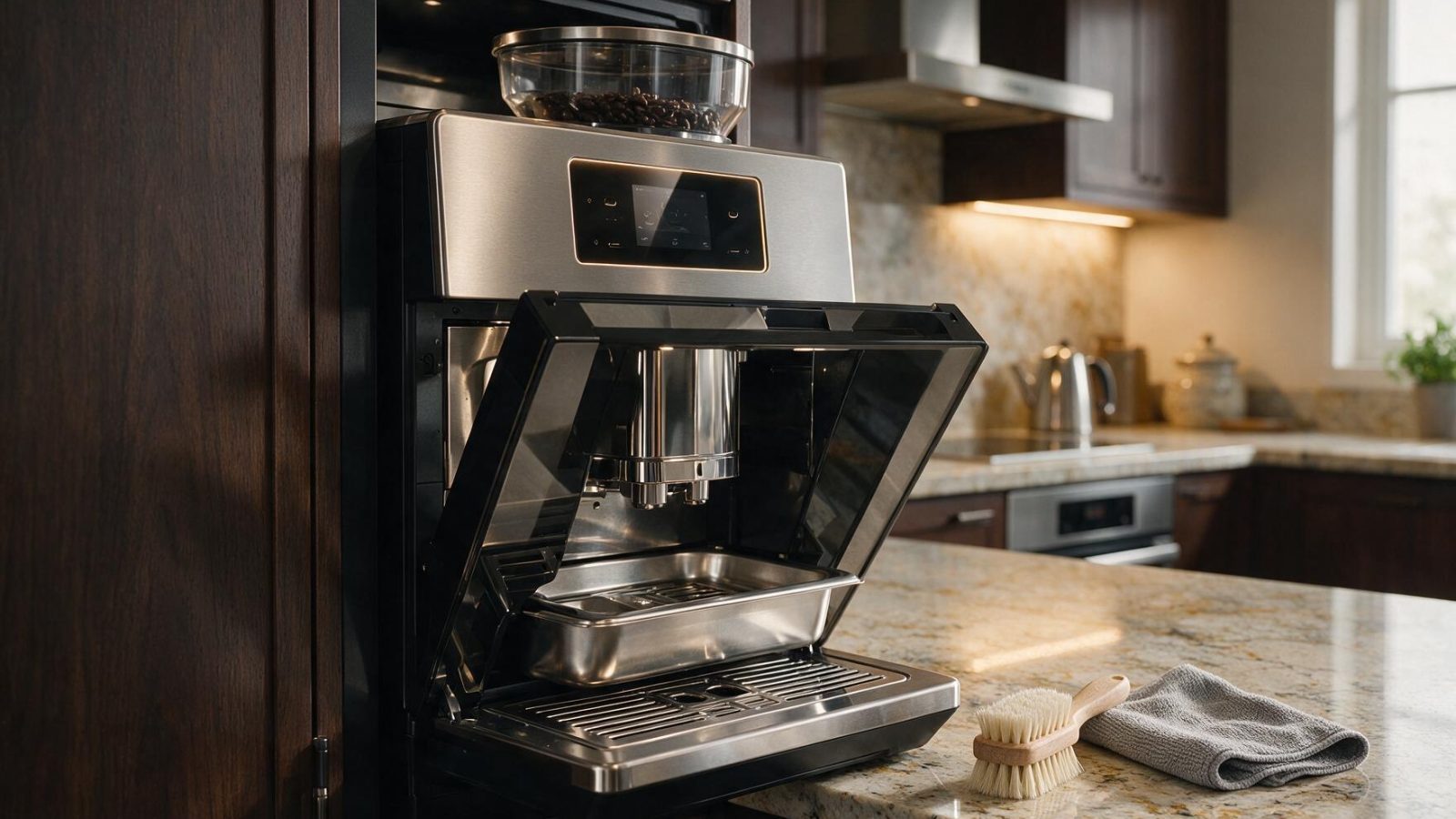
A built-in coffee machine can look completely “dead” when the problem is actually a simple operating condition. Before assuming a pump, heater or control board has failed, start with the states the machine is designed to monitor: water supply, drip tray, grounds container, brew unit position and any cleaning or descaling prompt on the display.
If the machine powers on but refuses to brew, remove and reseat only the user-accessible containers described in the manual. A water tank that is slightly out of position can interrupt operation even when it appears full. The same is true of a grounds bin or drip tray that has not clicked fully into place. If the display asks for cleaning or descaling, do not dismiss the message by cycling power repeatedly; the machine may be intentionally preventing a normal brew cycle until the maintenance step is completed.
A different pattern is a machine that starts a cycle but produces very little coffee, makes a louder-than-usual pump sound or stops with a flow-related warning. That points the diagnosis toward water movement. Mineral scale can restrict an internal path over time, especially in homes with harder water. An empty tank, trapped air after the tank ran dry, or a blocked user-cleanable component can create similar symptoms. Follow only the priming, rinsing and cleaning procedures documented for the model.
Pay attention to the difference between “no coffee” and “poor coffee.” If the machine completes a cycle but the shot runs too fast, too slowly, tastes weak or is unusually cool, the cause may be grind setting, beans, dose, maintenance condition or temperature control. Changing several settings at once makes the symptom harder to interpret, so make one documented adjustment at a time.
Stop troubleshooting if water appears where it should not, the machine trips a breaker, produces a burning smell, or continues showing the same fault after the normal maintenance steps. Internal pump, heater, valve, sensor and control work belongs with a technician.
For maintenance timing, see Water Hardness Varies by Zip Code — Your Descaling Schedule Should Too. If you are unsure whether the next step is still a homeowner check, read Where Homeowner Checks End and a Technician Should Take Over.
### Quick checklist
– Confirm the water tank is filled and fully seated.
– Empty and reseat the drip tray and grounds container.
– Read the complete display message rather than only the first line.
– Complete any required rinse, clean or descale cycle.
– Note whether the pump sounds normal and whether water is moving.
– Stop if you see leaking, electrical symptoms or repeated faults.
### When to book service
Book a diagnostic visit when the machine repeatedly stops mid-cycle, cannot move water after the approved checks, leaks internally, will not heat, or returns the same error after cleaning and reset procedures.
The tank may not be fully seated in its housing — remove it and reseat it firmly until it clicks or sits flush.
It's strongly recommended — many machines restrict brewing once descaling is significantly overdue, to protect internal components.
Only if the manual specifically allows it; otherwise use the manufacturer-approved descaling solution to avoid damaging internal parts.
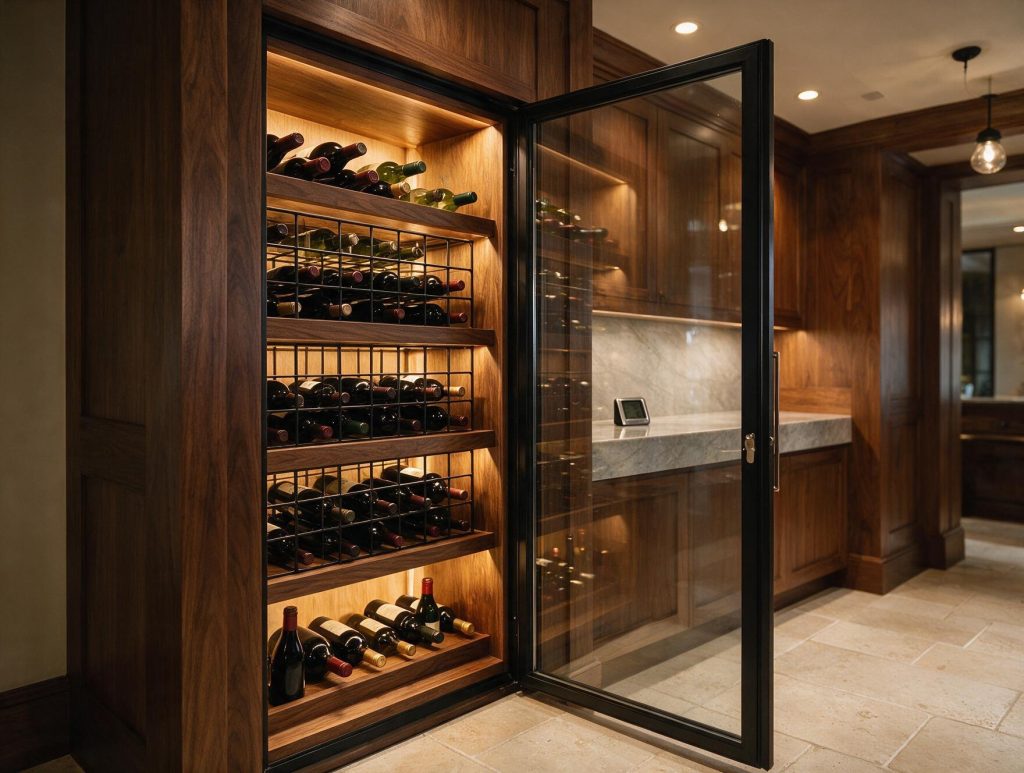
Wine storage problems are easy to miss because the display can still look normal while the cabinet is slowly drifting away from its setpoint. The first useful step…
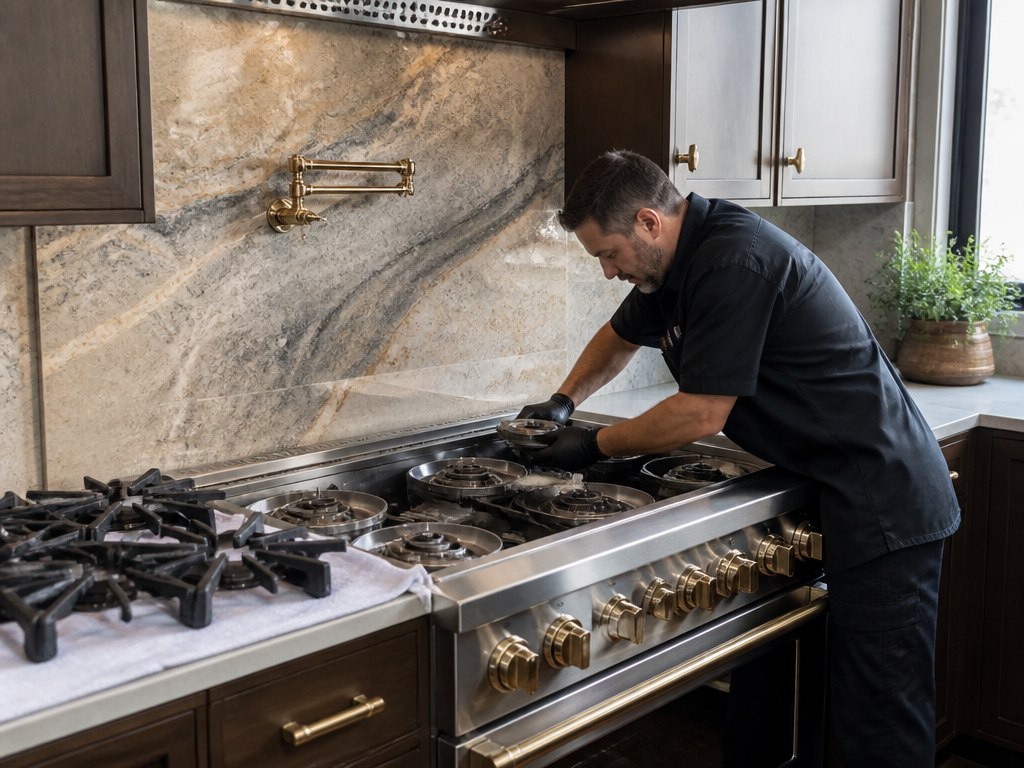
When one gas burner clicks repeatedly, lights only on one side or takes several attempts to ignite, the safest first checks are visible and external. A burner cap…
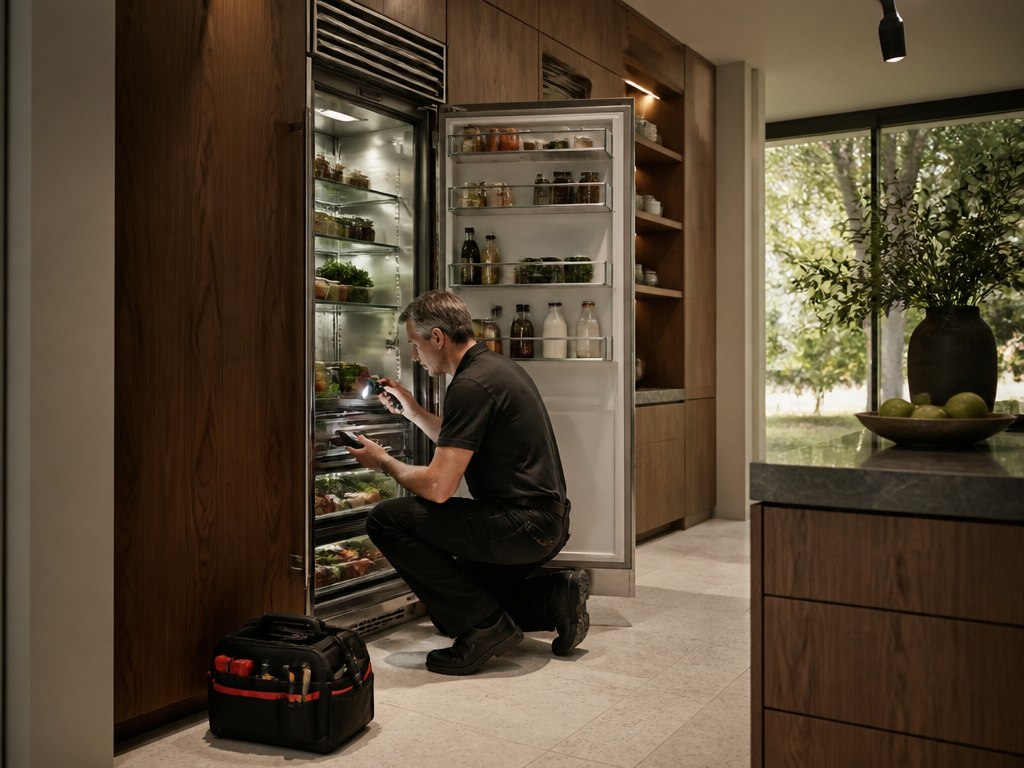
A modern refrigerator is not silent. Fans speed up and slow down, the compressor changes tone, refrigerant moves through the system and the ice maker cycles. The useful…
Share a few details and we’ll confirm an appointment. Prefer to talk? Call us and we’ll help right away.