

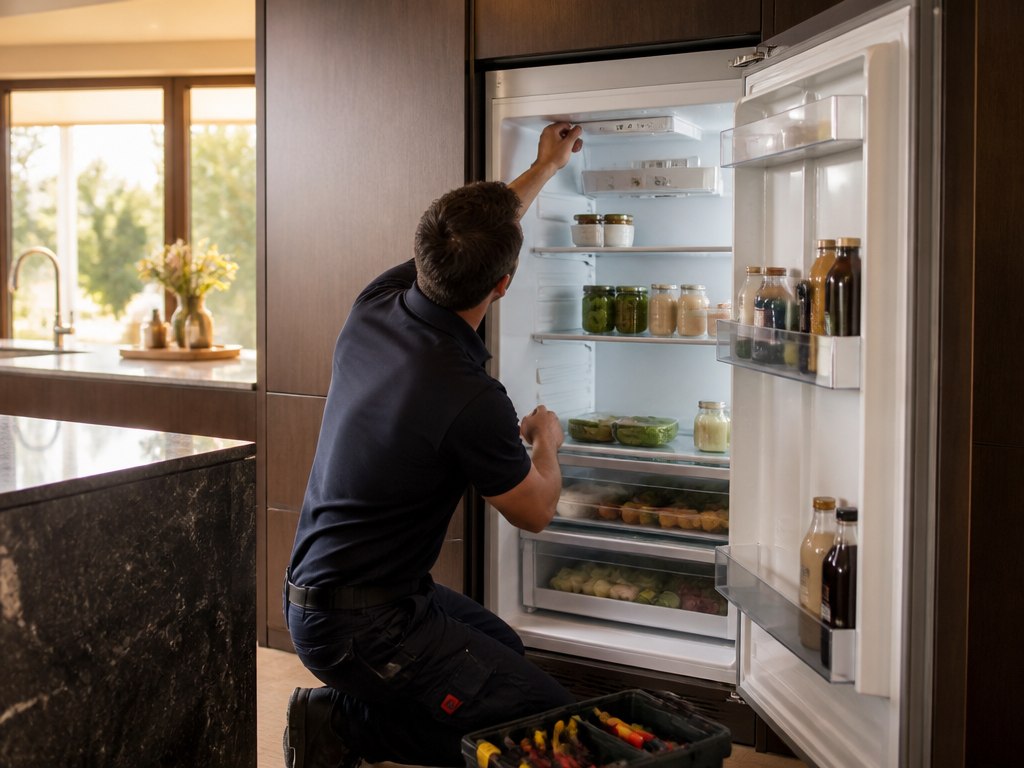
The first sign is usually small: a carton of milk that feels a degree or two off, or ice cream that has softened more than expected. It is easy to jump straight to worst-case thinking, but a handful of quick checks usually points to the actual cause.
This is about the difference between a controls issue you can fix in a minute and a cooling-system fault that needs a technician — and about protecting the food in the meantime.
Rule out the controls and the door first
Confirm the temperature dial or display has not been bumped to a warmer setting, and check that both doors close fully and latch — even a slightly ajar door, especially behind stored items, can raise the internal temperature noticeably.
Look at whether food is pressed against the interior vents; blocked vents starve part of the cabinet of cold air even when the system itself is working correctly.
| What you notice | Likely cause | Safe check |
|---|---|---|
| Whole fridge slightly warm | Setting or door seal | Check dial and door closure |
| Freezer cold, fridge warm | Blocked vent or airflow | Clear items from vents |
| Both sections warm, no cold air | System or power issue | Check outlet, then book service |
When the pattern points beyond a setting
If the freezer stays cold while the fresh-food section stays warm, that split pattern is worth remembering and mentioning to a technician, since it often narrows down which airflow path or component is involved.
If both sections are warm and the interior light and display still work, the issue is more likely in the cooling system itself, and food safety should take priority: move essentials to a cooler with ice while service is arranged.
Safe to try
- Check the temperature setting
- Confirm doors seal completely
- Clear food from interior vents
Leave to a technician
- Open sealed refrigerant lines
- Test compressor wiring
- Remove interior fan covers
Most warm-refrigerator complaints resolve with a setting or door check, but a system that stays warm after those checks needs a technician who can test the sealed components safely. Protecting the food in the meantime is the priority while service is arranged.
Frequently asked questions
Start with the temperature setting and door seals, then check whether anything is blocking the interior vents.
It is not normal, but it is a useful pattern — it often points to an airflow issue rather than a full system failure.
Move perishables to a cooler with ice, and avoid opening the refrigerator doors more than necessary until it is repaired.
Similar articles
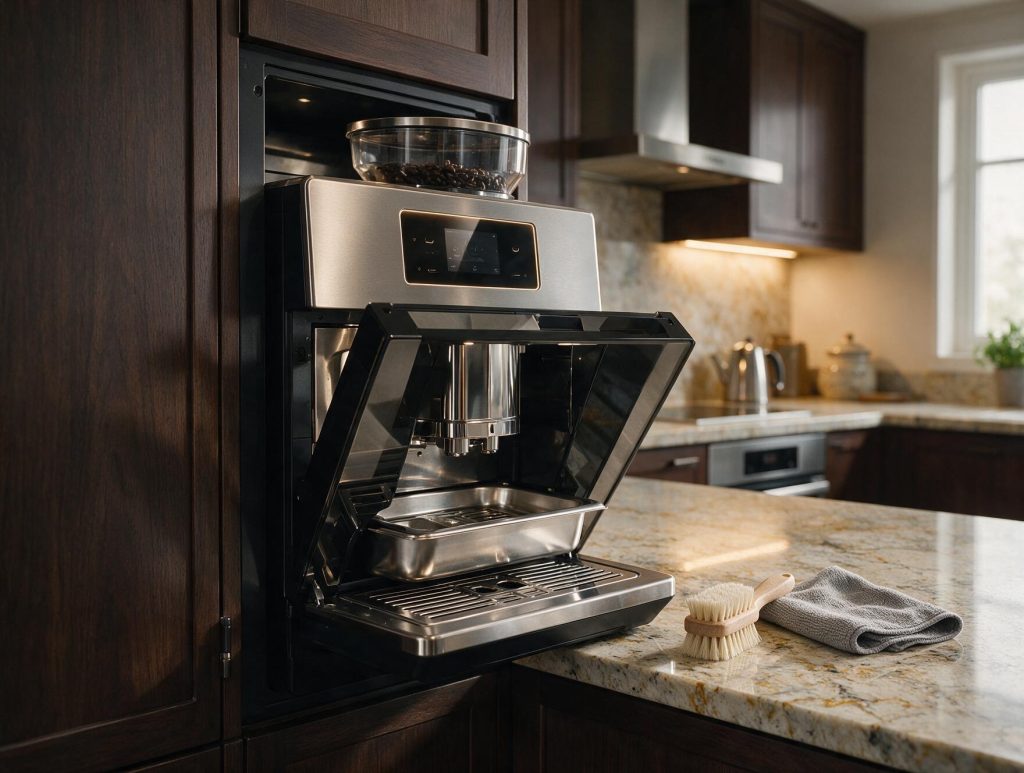
Morning Espresso Interrupted? Check These Before Assuming the Worst
Water tank position, service containers, and maintenance prompts explain most brewing interruptions.
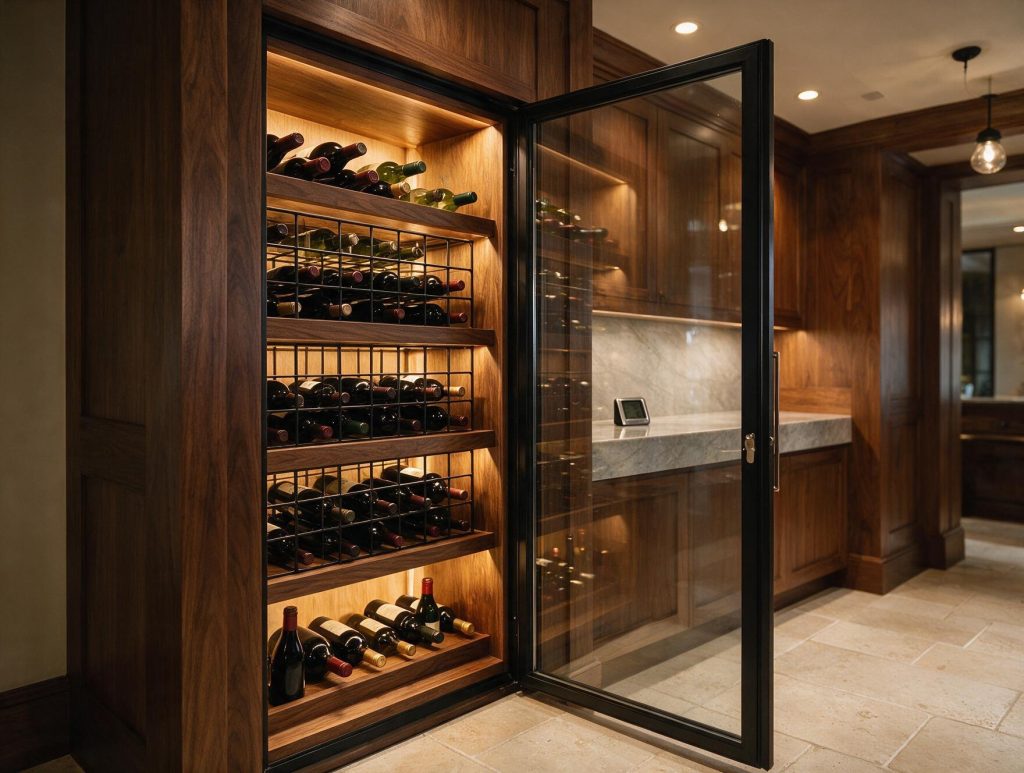
Wine Doesn’t Forgive a Warm Week — Checking a Drifting Wine Cooler
Loading, door seal, and surroundings explain most temperature drift in a wine column.
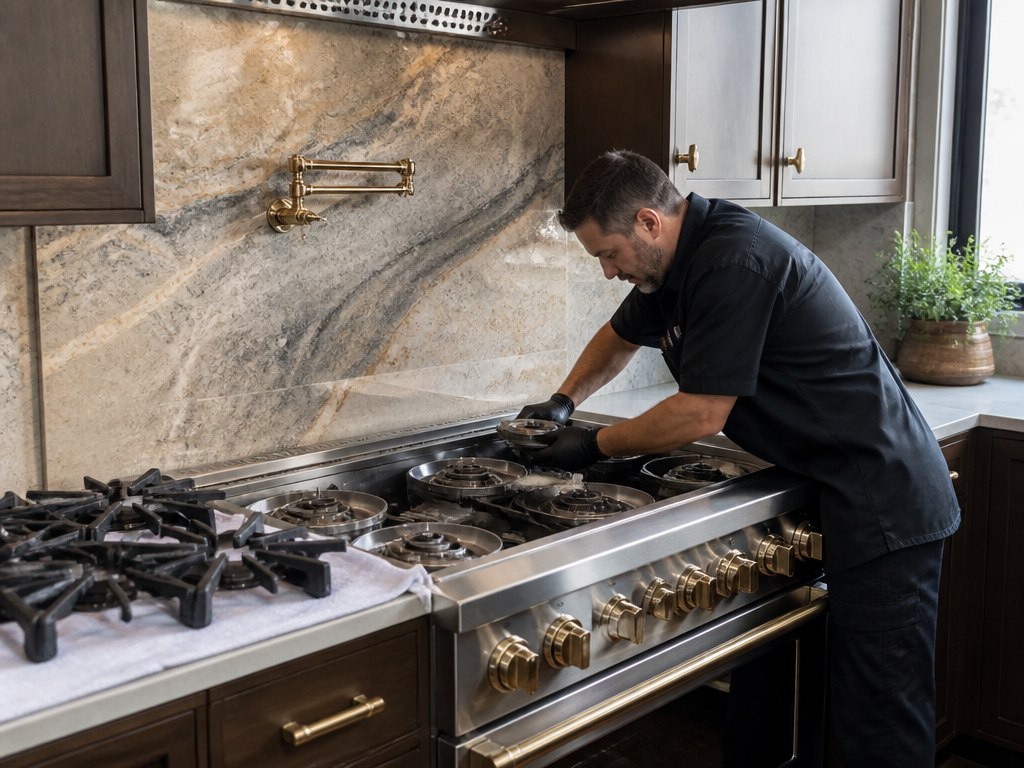
One Burner Won’t Light Evenly on Your Bertazzoni Range? Start Here
A weak or delayed burner is usually about the cap and ports, not the gas valve behind it.